If you turn on a shower in a far bathroom and stand there waiting while the water slowly warms up, you are not alone. In many Tulsa homes, especially larger ranch houses and two-story homes, hot water has a long trip to make before it reaches the tap.
Yes, a recirculation pump keeps hot water moving in the lines, so fixtures get hot water much faster. And yes, it works with a tankless water heater when the heater and system are compatible. But it is not magic: the right pump, piping layout, and controls matter.
Why Hot Water Takes So Long to Arrive
Hot water arrives late because of what sits between the heater and your faucet: a length of pipe full of water that has cooled since the last use. Every time you open a hot tap, that cooled water must be pushed out before fresh hot water can reach you.
The farther the fixture, the longer you wait. That is why a bathroom near the heater warms up quickly, while a primary bathroom or kitchen at the other end of the house can take a minute or more. It is a common pattern in larger ranch and two-story Tulsa-area homes, including many in Broken Arrow, Owasso, and Bixby, where long pipe runs are part of the layout.
A tankless heater adds its own wrinkles. It must sense flow and fire up, which takes a moment, and it needs a minimum flow rate to stay on. If taps open and close quickly, the heater can cycle off and on, causing a brief burst of cold water mid-shower — often called a cold-water sandwich. The wait is partly about the heater and partly about the pipes, and a recirculation pump addresses the pipe side.
What a Recirculation Pump Actually Does
A recirculation pump is a small pump that keeps hot water circulating through your hot-water lines, so hot water is already near the fixture when you turn it on. The pump moves water in a loop: out from the heater, past the fixtures, and back to the heater to be reheated.
One setup uses a dedicated return line: a separate pipe runs from the farthest fixture back to the water heater, creating a true loop. It is the most effective arrangement, and easiest to install during new construction or a major remodel. Some homes already have a return line, even if no pump was ever installed.
The other common setup uses a crossover or under-sink bypass valve, installed under the sink at the farthest fixture. It lets cooled hot water cross into the cold-water line and travel back to the heater that way. No new return pipe is needed, which makes it a common
retrofit in existing homes, though it can warm the cold-water line slightly.
Does It Fix Tankless Wait Times?
For the distribution wait — the time hot water takes to travel through the pipes — yes, a recirculation pump is one of the best fixes available. That is the wait most homeowners are actually complaining about. If your tankless heater works well and the shower is still slow to warm up, the pipes are usually the bottleneck.
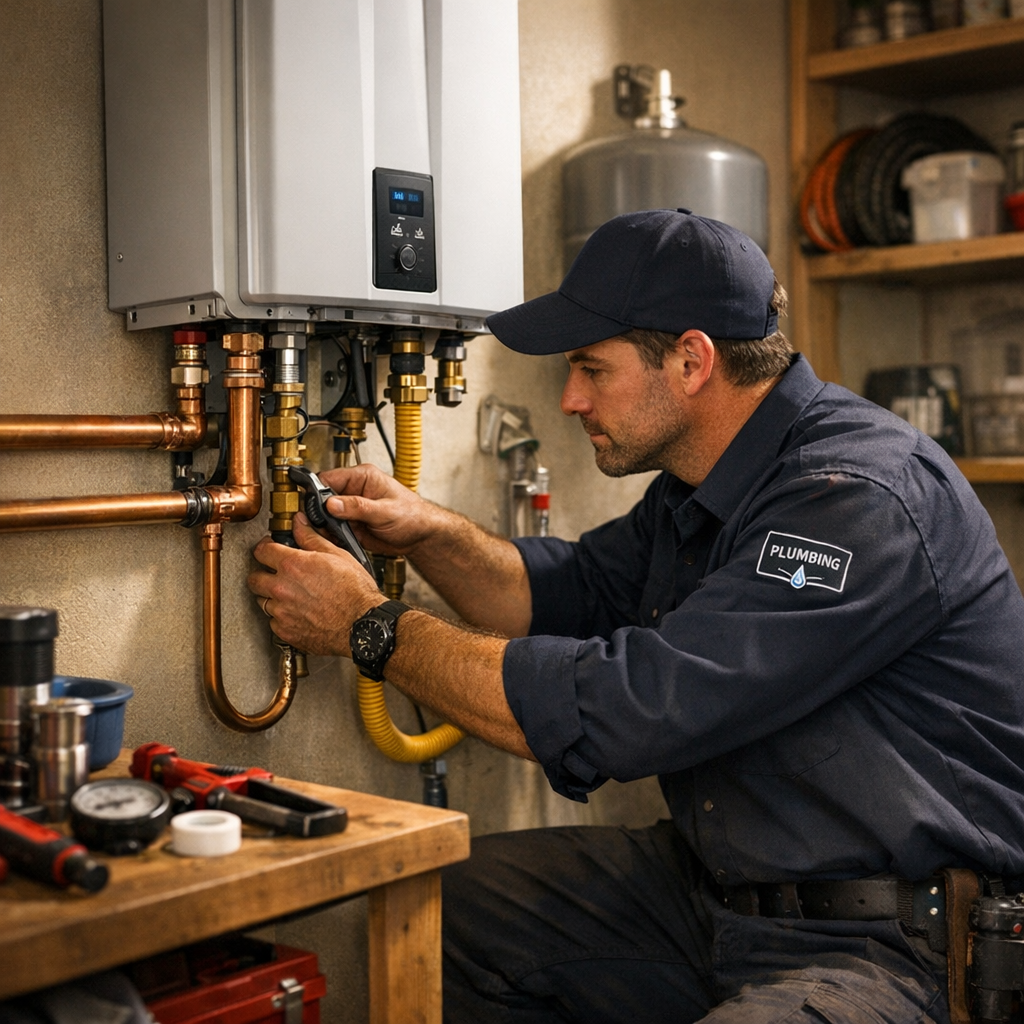
Compatibility is where details matter. Some tankless models are built with recirculation in mind, with built-in pumps or recirculation modes. Others need an external pump and the right controls. A few older or basic models are not designed for recirculation at all. Before buying a pump, check your heater’s model and manual — or have a plumber check it — to confirm what your unit supports.
A pump does not fix every tankless complaint. It will not fix a heater that is undersized, a gas or venting problem, or a heater that needs maintenance. In Tulsa, where the water is hard, a tankless heater still needs regular descaling — a pump does not change that. Our guide on how often a tankless water heater needs descaling in Tulsa explains when that maintenance is due, and our honest look at tankless water heaters in Tulsa — the pros and cons for homeowners can help if you are still weighing whether tankless is right for your household.
Timer, Thermostat, or On-Demand: Which Control Makes Sense?
A timer is the simplest option. Set the pump to run during the hours your household usually uses hot water — mornings, evenings, and mealtimes — and off overnight and while everyone is out. It suits households with a regular routine, but it is not flexible if your schedule changes.
A thermostat, sometimes called an aquastat, turns the pump on and off based on water temperature in the line. When the loop cools below a set point, the pump runs until it is hot again, then stops. It adapts to the season better than a fixed timer — on a cold Oklahoma winter morning, the loop cools faster, and the thermostat responds.
On-demand controls — a push button, a motion sensor, or a smart control — run the pump only when someone asks for hot water. Press a button near the bathroom, or trigger it from your phone, and the pump runs for a few minutes. This is the most energy-efficient approach, because the pump runs least. The trade-off is a short wait after you press the button.
What You Can Safely Check Yourself
- Measure the wait. At the farthest fixture, time how long it takes for the water to feel properly hot. A long wait there, with a fast warm-up near the heater, points to a pipe-length problem.
- Check for a dedicated return line. Look near the water heater for an extra pipe returning to it, or a capped pipe connected to nothing.
- Look for an existing crossover valve. Check under the sink at the farthest fixture for a small valve connecting the hot and cold lines. If one is already there, it may be stuck or worn out.
- Note your heater model. Write down the brand and model number from the label on your heater. That tells a plumber whether the unit supports recirculation.
What Needs a Pro — and What Installation Typically Involves
Installing a recirculation pump is a job for a professional. Sizing comes first: the pump must match the length and size of your pipe runs, and the loop must be set up so the heater works as designed. A pump that is too small will not move water far enough, and a system without the right check valves can let water flow the wrong way.
A typical installation involves choosing the pump and control, adding check valves, connecting to a dedicated return line or installing a crossover valve, insulating exposed hot-water lines, and setting the controls and heater settings to work together. It also means checking local code requirements. Every home is different, so for an exact quote, have a plumber look at the system in person — you
can reach us through our contact page. Our water heater services page covers repair, replacement, and tankless options.
Frequently Asked Questions
Will a recirculation pump waste energy?
It uses some energy, but with the right controls, that cost is kept small. A timer, thermostat, or on-demand control means the pump is not running all day, and you also waste less water waiting for the tap to warm up.
Can I add one to any tankless water heater?
Not to every model. Many modern tankless heaters support recirculation, either with a built-in pump or with an external pump and the right controls. Check your heater’s model and manual, or ask a plumber to confirm before you buy anything.
Does it help a tank water heater too?
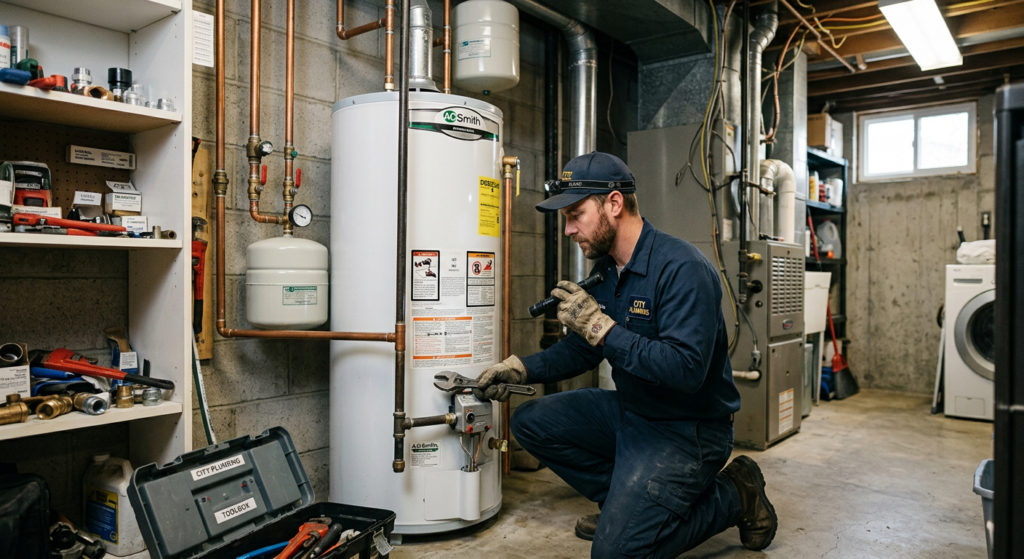
Yes. The wait at a distant fixture is mostly about the pipes, not the type of heater, so a recirculation pump helps tank heaters as well.
Get Hot Water Faster in Your Tulsa Home
If you are tired of waiting for hot water, a recirculation pump may be the fix. Colossal Plumbing has served Tulsa-area homeowners since 2005, and we can check your heater, piping, and farthest fixtures, then tell you honestly whether a pump will help. Call us at (918) 553-0138, or reach out through our contact page. We are open Monday through Saturday, 7 AM to 7 PM, with 24/7 emergency service.
