
If your water heater has started popping, rumbling, or sounding like a pot of water boiling with rocks in it, the most common cause is sediment buildup on the bottom of the tank. Minerals from the water settle into a hard layer, water gets trapped underneath it, and as the burner or heating elements heat that trapped water it boils and pops through the sediment. That is the noise you are hearing.
In most cases a popping or rumbling water heater is not an emergency, but it is a warning you should not ignore. The heater is working harder than it should, wasting energy, wearing itself out faster, and — if the noise has been going on for a long time — it may be much closer to failure than its age alone would suggest.
What That Popping and Rumbling Sound Actually Is
A conventional tank water heater heats water from the bottom. On a gas model the burner sits under the tank; on an electric model the lower element heats the water near the base. Either way, the bottom of the tank is where the heat goes in — and it is also where sediment lands.
Over months and years, dissolved minerals come out of the water and settle. At first it is loose, sandy material. With repeated heating cycles it can bake into a crusty, hardened layer. When water trapped under or within that layer gets hot enough to turn to steam, the bubbles force their way up through the sediment. Each bubble is a small pop. Hundreds of them together sound like rumbling, crackling, or banging.
Think of it like a kettle with a thick layer of scale in it — except this kettle holds 40 or 50 gallons, runs every day, and gets louder as the layer gets thicker.
Why It Happens So Often in Tulsa Homes
Water in the Tulsa area is generally hard, meaning it carries dissolved minerals. Hard water is the main reason sediment forms faster here than in soft-water areas. A water heater in Tulsa, Broken Arrow, Owasso, or Bixby that is never flushed is collecting that mineral layer every single day it runs.
How fast it builds up depends on a few things: how hot you keep the temperature setting, how much hot water your household uses, and how old the unit is. A large family running back-to-back showers, laundry, and a dishwasher puts a lot of water — and a lot of minerals — through the tank. Higher temperature settings speed up mineral buildup too.
This is also why the same noise shows up in the warning-signs list in our guide to how long a water heater lasts in Tulsa. Noise by itself is a maintenance issue. Noise plus old age, rusty water, or leaks is a replacement conversation.
Is a Noisy Water Heater Dangerous?
Popping and rumbling by themselves are usually an efficiency and wear problem, not an immediate danger. The heater heats less efficiently through a blanket of sediment, so it runs longer to make the same hot water, and the extra heat and stress at the bottom of the tank shorten the tank’s life. The glass lining inside the tank can crack under that stress, and once the steel underneath is exposed, corrosion follows.
That said, some sounds and signs do mean stop and call a professional right away:
- A strong smell of gas near a gas water heater
- Water leaking from the tank itself, or a relief valve that keeps discharging
- Scorch marks, soot, or a hissing / sizzling sound that does not stop
- Loud banging paired with very hot water or steam from taps
Do not try to diagnose those yourself. Shut the unit down if you can do so safely, and call for help.
What You Can Safely Check Yourself
You can learn a lot without touching anything hot, opening anything, or using tools:
- Listen and locate. Confirm the noise is coming from the water heater itself and note when it happens — usually while the unit is actively heating, often after a lot of hot water has been used.
- Look at the base and fittings. Without touching hot surfaces, check for water, rust streaks, or white mineral crust around the base, the drain valve, and the pipes on top.
- Check the age. Find the rating label on the side of the tank. If the unit is well into or past the typical 10- to 15-year range for a tank heater and it is rumbling, weigh that heavily.
- Check the temperature setting. Around 120 degrees Fahrenheit is the setting most commonly recommended for balancing comfort, safety, and efficiency. If yours is set much higher, it is working harder and building sediment faster.
- Note the hot water itself. Is it still hot enough? Does it run out faster than it used to? Is it discolored? Those details help a plumber diagnose it quickly.
Stop there. Do not open gas lines, remove electrical covers, bypass the temperature-and-pressure relief valve, or pull an anode rod unless you genuinely know that work. Those are safety systems.
What Flushing Does — and When It Helps, and When It Doesn’t
Flushing means draining the tank and washing out the loose sediment. If the sediment is still loose and sandy, a proper flush can quiet the heater noticeably, restore some efficiency, and buy the unit more life. For most tank heaters in hard-water areas, flushing about once a year is the single most useful maintenance habit.
Flushing has limits. If the sediment has hardened into a thick crust, a standard drain-and-flush may not clear it, and the noise may come back quickly. If the tank has rumbled for years, the extra heat has usually already taken life off the unit even if it gets quieter after service. And if the drain valve is old, clogged with sediment, or has never been opened, forcing it can create a leak that did not exist before — one reason many homeowners have a plumber do the first flush on an older unit.
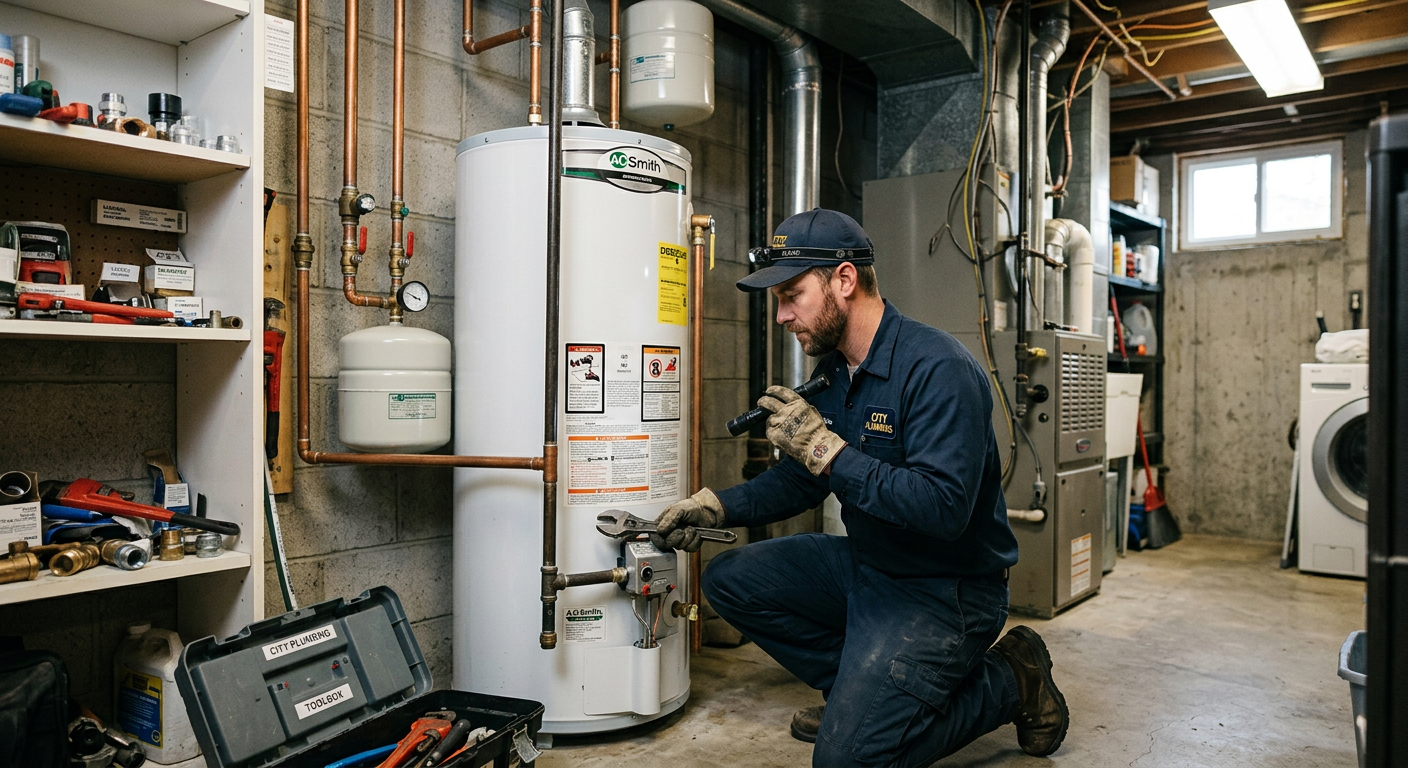
A plumber can also check the anode rod during the same visit — the sacrificial rod inside the tank that corrodes so the tank does not. Colossal Plumbing lists anode rod replacement and full service for noisy, leaking, and underperforming units on our Water Heater Services page.
Other Water Heater Noises and What They Usually Mean
Not every noise is sediment. A few others worth knowing:
Ticking or tapping
Often the pipes or the tank expanding and contracting as they heat and cool, or heat-trap fittings doing their job. Usually harmless if it is mild and the heater is otherwise normal.
Sizzling or hissing
On an electric model this can be sediment around an element; on any model it can be condensation or a small leak dripping onto something hot. If it is constant, get it checked.
Screeching or whistling
Can point to water being forced through a partly closed valve or a restriction. Worth a professional look if it is new or getting louder.
Banging in the pipes, not the tank
A sharp bang when a tap closes quickly is often water hammer in the plumbing, not the water heater itself. It is a different fix, and it is worth sorting out because repeated hammer stresses pipes and fittings.
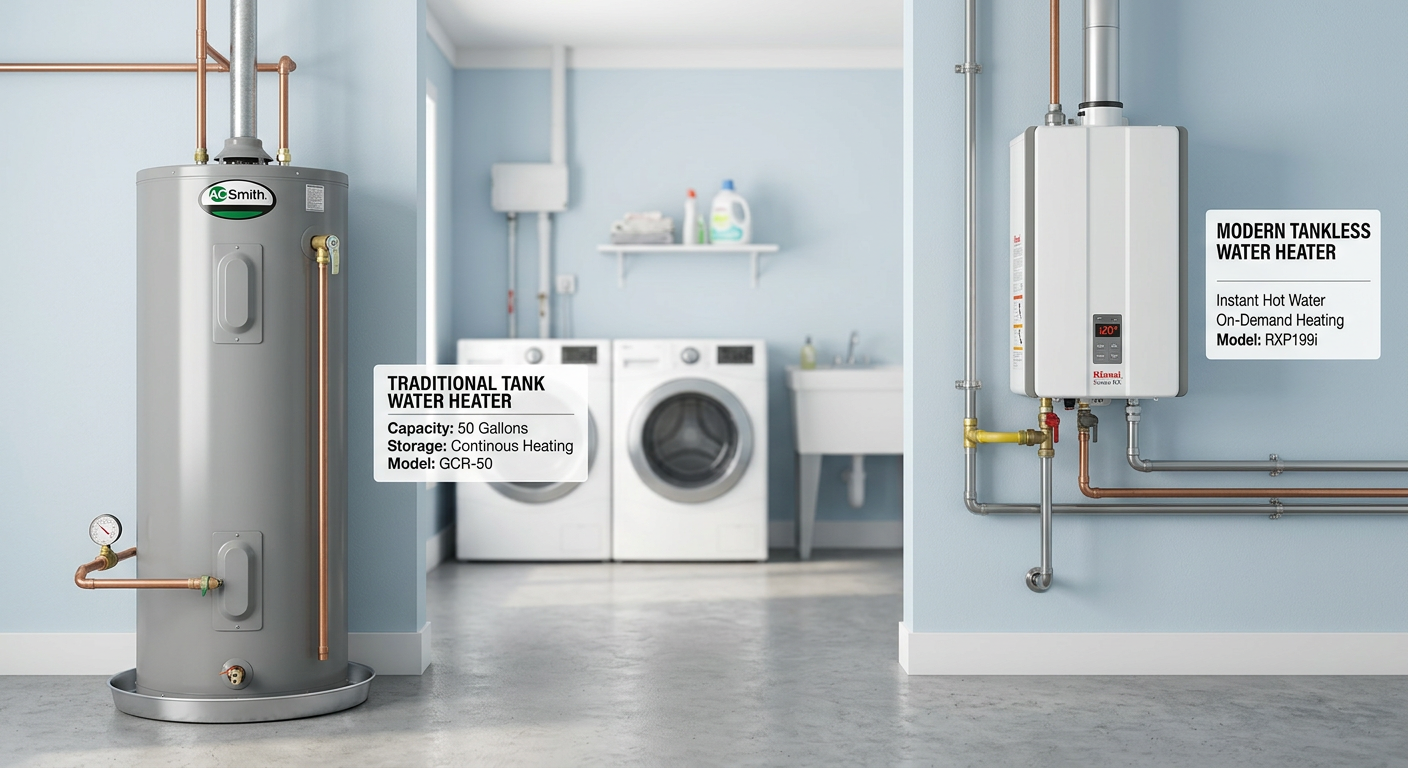
If you are not sure which sound you have, describing when it happens — during heating, when a tap opens, or when a tap closes — helps narrow it down fast. And if your noisy tank has you wondering whether a different type of heater would suit your home better, our guide to tankless water heaters in Tulsa: the honest pros and cons lays out that comparison honestly — including the descaling maintenance tankless units need in hard water.
When You Need a Pro
Call a plumber when:
- The popping or rumbling is new, getting louder, or paired with lukewarm water or hot water that runs out fast
- The unit is older and has never been flushed — a first flush at that age should be handled carefully
- You see water, rust, or mineral buildup around the base or fittings
- The pilot keeps going out, an electric unit trips its breaker, or you see any of the stop-now signs listed above
- You have had the unit flushed and the noise came right back
A professional visit for a noisy heater typically involves listening to the unit fire, inspecting the tank, burner or elements, and fittings, testing how well it heats, flushing it if that is appropriate for its age and condition, and checking the anode rod and relief valve. If the tank itself is failing, a good plumber will tell you plainly that flushing is money spent on a unit that needs replacing instead.
How to Keep It Quiet Longer
Once a noisy heater has been serviced — or once a new one is installed — a few habits keep sediment from taking over again: flush a tank heater about once a year, keep the temperature near 120 degrees unless you have a specific reason to run it hotter, and have the anode rod checked every few years. In Tulsa’s hard water, that routine is the difference between a heater that quietly reaches a normal lifespan and one that rumbles its way to an early failure.
Homes in Sand Springs, Sapulpa, Jenks, Claremore, and the rest of our service area deal with the same mineral issue — it is not a Tulsa-only quirk, it is a Green Country water reality, and regular maintenance is the answer everywhere.
Frequently Asked Questions
Can I flush my water heater myself?
Many homeowners do, and on a younger, regularly maintained tank it is a manageable job — but it involves hot water, a drain hose, and turning off power or gas and water first. If the unit is older, has never been flushed, or the drain valve looks corroded, have a plumber do the first one. A stuck or leaking drain valve turns a maintenance job into a repair.
Will a noisy water heater explode?
That is the fear behind most of these calls, and for ordinary popping and rumbling the answer is no — that noise is sediment, not pressure building to a burst. Tanks have a temperature-and-pressure relief valve for protection. The real risk of ignoring the noise is a shorter heater life and, eventually, a leak — which is reason enough to deal with it.
How much does it cost to fix a rumbling water heater?
It depends on whether a flush and inspection solve it, whether parts like an anode rod or element are needed, or whether the tank is at replacement age. Many homeowners pay somewhere in the range of a modest service visit for a flush on a healthy unit, up to the cost of a full replacement if the tank itself is failing — call Colossal Plumbing at (918) 553-0138 for an exact quote for your unit.
Hearing Popping or Rumbling From Your Water Heater?
Do not wait until the noise turns into no hot water or a leak on the floor. Contact Colossal Plumbing for an honest look at your water heater — we will tell you whether a flush and service will quiet it, or whether it is time to plan a replacement. Call (918) 553-0138 or visit our contact / Get a Quote page on colossalplumbing.com. We serve Tulsa and the surrounding communities, including Broken Arrow, Owasso, Bixby, Jenks, Sand Springs, Sapulpa, and Claremore. We are open Monday through Saturday, 7 AM to 7 PM, with 24/7 emergency service.
