If your water heater is getting old, you have probably heard the pitch: a tankless unit that heats water only when you need it, so you never run out. It sounds perfect, and for many Tulsa homes it is a great fit. But it is not right for every house, and the details that matter most here in Green Country are easy to miss. This guide lays out the real benefits and the real downsides, in plain language, so you can decide with your eyes open.
How a Tankless Water Heater Works
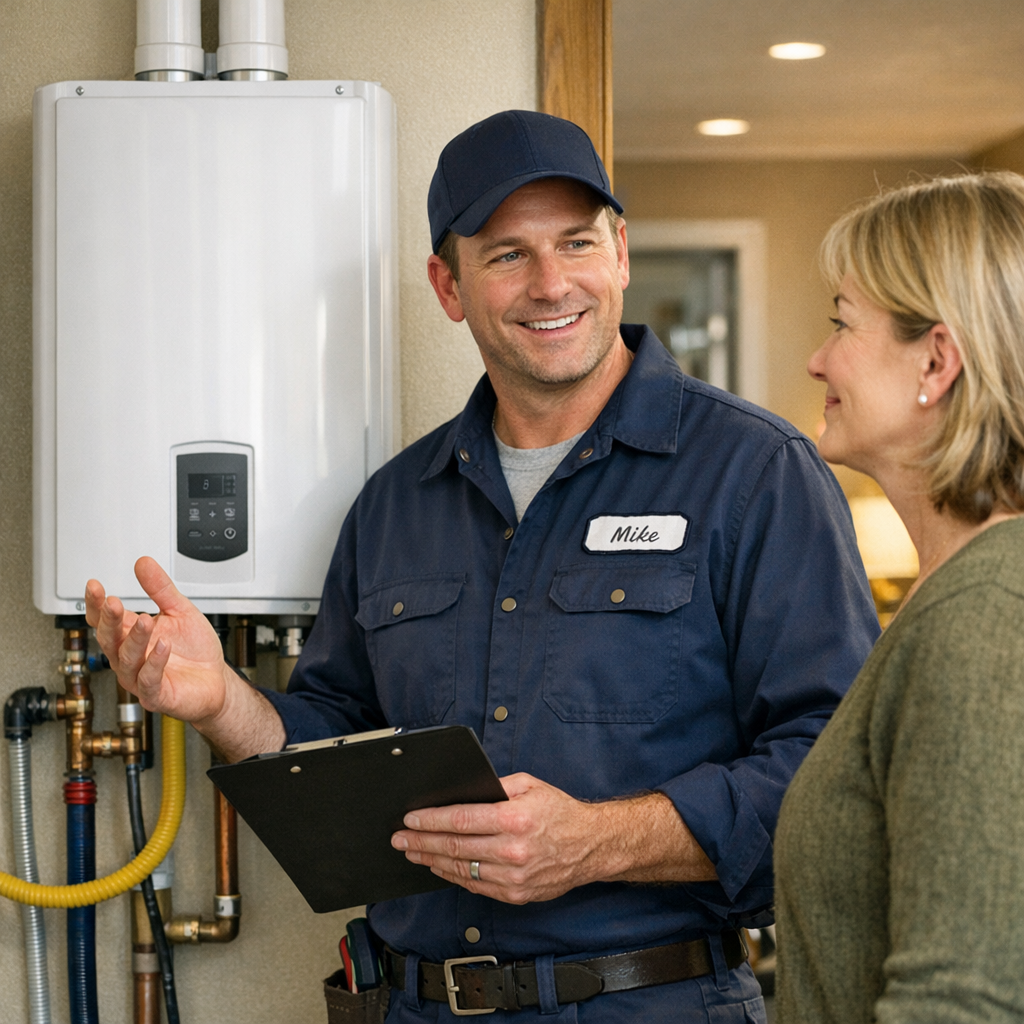
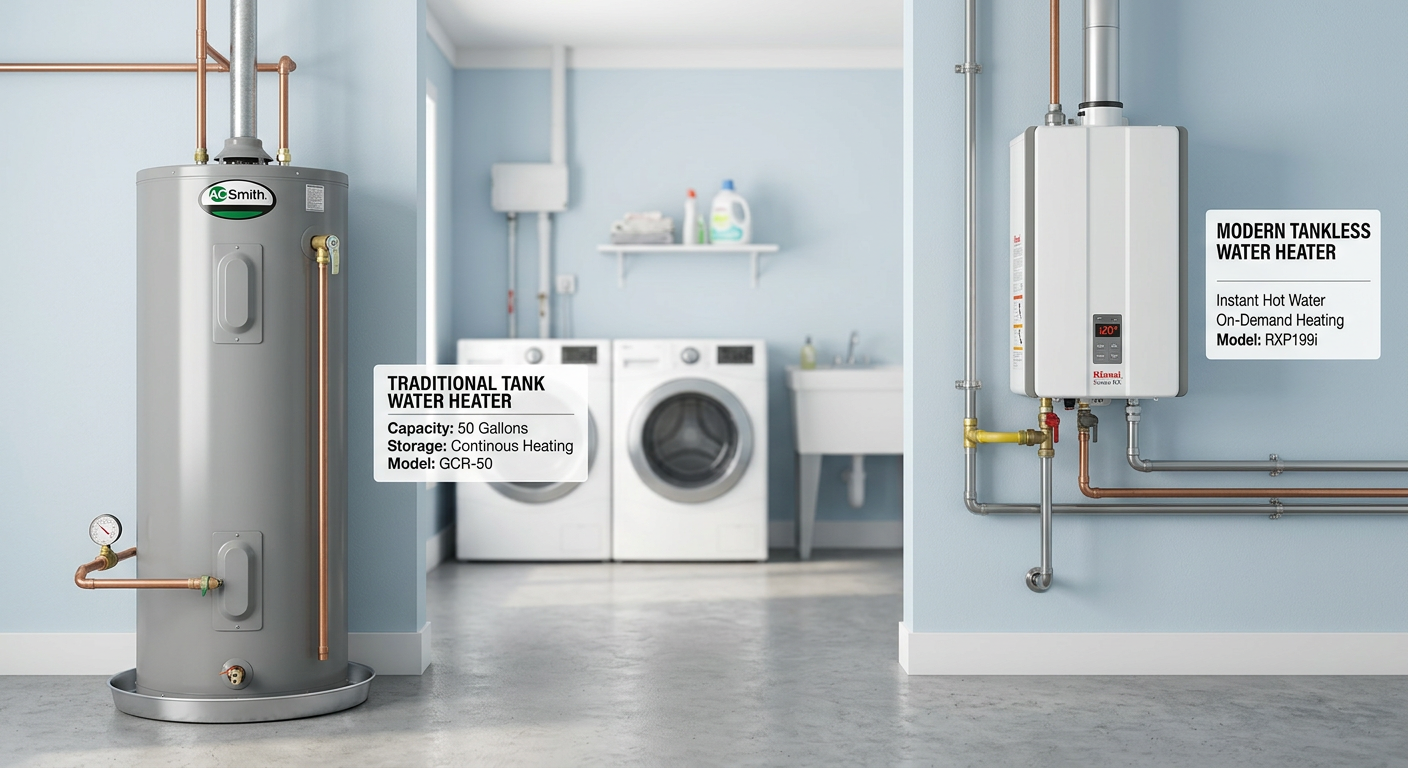
A traditional tank water heater keeps 40 or 50 gallons of water hot around the clock, whether anyone is using it or not. A tankless unit does the opposite. When you open a hot tap, cold water flows through a heat exchanger, a gas burner or electric elements heat it on the spot, and hot water comes out the other side. Turn the tap off, and the unit shuts down. There is no tank to keep warm and no stored supply to run out.
That simple difference drives almost every pro and con below. It is also why sizing matters so much: a tankless unit is rated by how much hot water it can produce at once, not by how much it can store.
The Benefits of Going Tankless
- Endless hot water. As long as you stay within the unit’s flow capacity, the hot water does not run out. Back-to-back showers, a load of laundry, and the dishwasher are no longer a race against an empty tank.
- Lower energy use and utility bills. Because the unit is not keeping a full tank hot all day and night, it generally uses less energy than a comparable tank heater. How much you save depends on your household size, your water use, and your gas or electric rates, so treat any savings claim as an estimate, not a promise.
- A longer service life. Tank water heaters commonly last around 10 to 15 years. A well-maintained tankless unit can last around 20 years, which can make the higher upfront cost easier to justify over time.
- Space savings. A tankless unit hangs on a wall and is roughly the size of a suitcase, compared with a tall tank that takes up a corner of the garage or utility closet. In smaller Tulsa homes, older homes with tight utility rooms, and homes where a closet could be put to better use, that freed-up floor space is a real benefit.
- Reduced leak risk. A tank holds dozens of gallons of water, so a failed tank can release a lot of water at once. A tankless unit holds very little water, so while fittings and connections can still leak, the risk of a large tank-rupture flood is much lower.
The Downsides You Should Know About
- Higher upfront cost. The unit itself costs more than a standard tank heater, and installation is usually more involved. Get a quote for the complete job, not just the unit, before you compare prices.
- Upgrades many homes need. Gas tankless units often need a larger gas line than the one feeding an old tank heater, plus new venting, and sometimes a condensate drain. Electric models may need a dedicated circuit or a panel upgrade. These upgrades are normal, but they add cost and time, and they are a common reason a tankless quote comes in higher than expected.
- Flow-rate limits. A tankless unit can only heat so much water at once. If someone is showering while the dishwasher and washing machine are also running, you may notice a drop in temperature or pressure. Sizing the unit for your home’s peak demand, and being honest about how many fixtures run at once, matters more than the brand on the box.
- The cold-water sandwich. When you turn a hot tap on, off, and on again quickly, a brief slug of cold or lukewarm water can come through before the unit fires back up. Some models and recirculation setups reduce this, but it is a quirk worth knowing about before you buy.
- Annual descaling maintenance. Tankless units need regular descaling, flushing mineral buildup out of the heat exchanger, usually once a year. Skipping it can reduce efficiency and shorten the unit’s life.

What This Means Specifically in Tulsa
Two local factors deserve extra attention. First, water in the Tulsa area is generally hard, meaning it carries a fair amount of dissolved minerals. Hard water leaves scale inside a tankless heat exchanger faster than soft water does, which is why that annual descaling is not optional here. A home with a water softener, or a homeowner who keeps up with yearly service, will get more out of a tankless unit than a home where maintenance is forgotten.
Second, Oklahoma winters lower the temperature of the water coming into your home. A tankless unit has to raise colder incoming water to your shower temperature, and that bigger temperature jump reduces how much hot water it can deliver at once. A unit that handles three showers comfortably in summer may struggle with the same demand on a cold January morning. A good installer sizes for winter conditions, not just for a mild-weather rating.
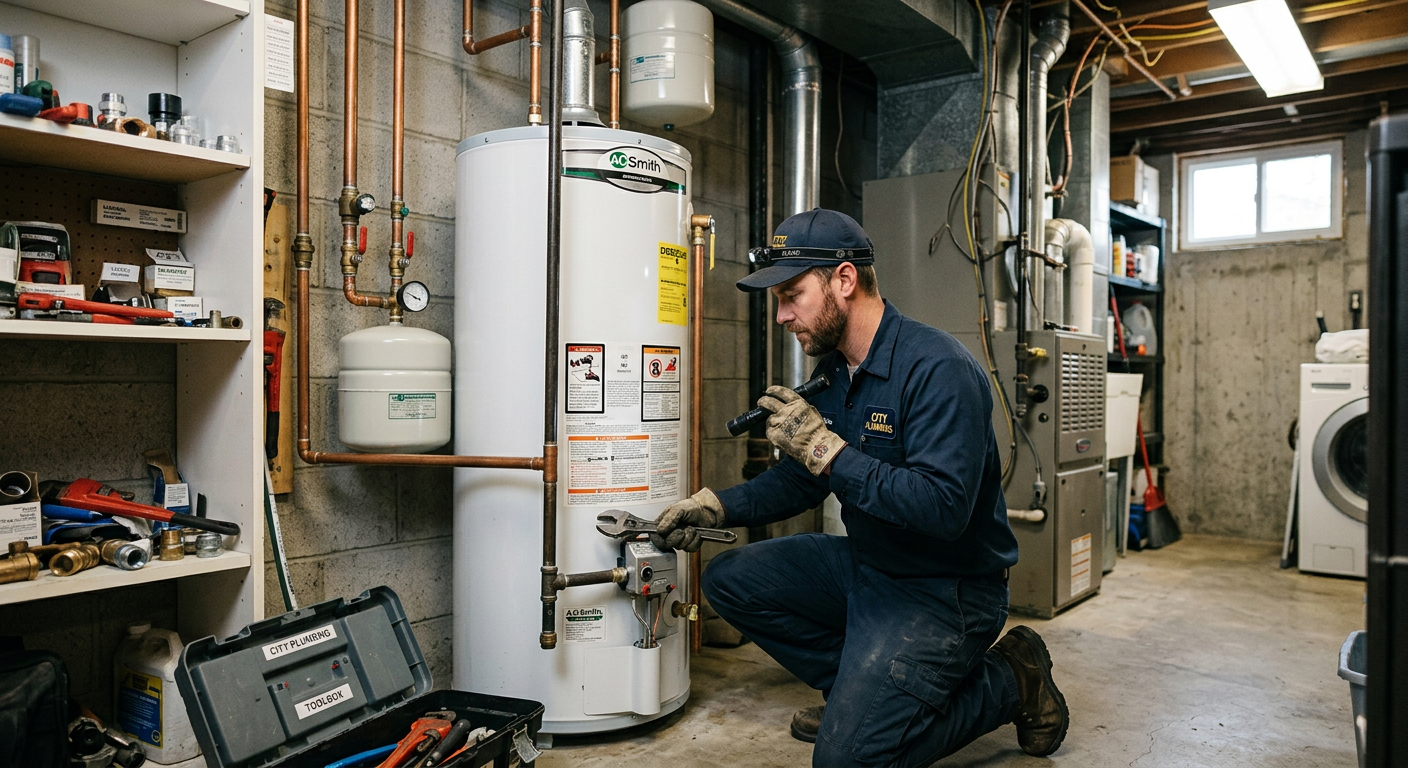
Finally, remember that water heater work in Tulsa, like most plumbing work, may require permits and inspections depending on the scope of the job, especially when gas lines or venting change. A reputable installer will be upfront about what applies to your home and will handle that part of the process for you. If a quote skips permits and inspections entirely, ask why.
Who Should Go Tankless, and Who Should Probably Wait
Tankless is often a good fit if: you have a household that regularly runs out of hot water, you want to free up floor space, you plan to stay in the home long enough to benefit from the longer lifespan, and you are willing to keep up with annual descaling.
You may want to wait, or stick with a tank, if: your home needs major gas, venting, or electrical upgrades that push the total cost out of reach, your household routinely runs several showers and appliances at the same time and a properly sized unit would be very large, or you know maintenance is likely to be neglected. In those cases, a modern high-efficiency tank heater can be the smarter, more honest choice.
The Bottom Line
A tankless water heater is not magic, and it is not a scam. It is a well-proven technology with clear advantages and clear trade-offs, and whether it pays off for you depends on your home, your water, your usage, and your budget. The right answer starts with someone looking at your actual setup, not with a one-size-fits-all sales pitch.
If you are thinking about going tankless, contact Colossal Plumbing for an honest assessment. Call (918) 553-0138 or visit our contact page, and we will look at your home’s gas or electrical setup, your water quality, and how your household actually uses hot water, then tell you straight whether tankless makes sense for you, and what the full job would involve. No pressure, just a clear answer you can trust.
