
If your hot water smells like rotten eggs, you are most likely smelling hydrogen sulfide gas coming from inside your tank water heater. In most Tulsa homes, that sulfur smell shows up only in the hot water because bacteria in the tank react with the magnesium or aluminum anode rod — the metal rod inside the heater that is meant to protect the tank from rust — and that reaction produces the rotten egg odor.
If the smell is in both your hot and cold water, the water heater is probably not the source. Then the cause is more likely to be well water, bacteria elsewhere in the plumbing, or a drain issue in that room. That hot-only versus hot-and-cold difference is the first and most useful clue, so check it before you do anything else.
How to Tell If It Is Hot-Only or Hot and Cold
Run this quick test at the same sink. Fill a glass with cold water only, step away from the sink, and smell it. Then empty it, fill it with hot water only, step away again, and smell that one.
Moving away from the sink matters. If the smell stays in the room but not in the glass, it may be coming from the drain, not the faucet. If only the hot glass smells, point to the water heater. If both glasses smell the same, look beyond the heater to the water supply itself.
Why the Anode Rod and Bacteria Cause the Smell
Inside every tank water heater is a long anode rod. Its job is to corrode on purpose, slowly, so the steel tank does not. It does that job well, but the warm, dark tank is also a comfortable place for naturally occurring bacteria that feed on elements in the water.
When those bacteria react with the magnesium or aluminum in the rod, they can produce hydrogen sulfide. A little of that gas goes a long way. Even a small amount dissolved in hot water is released when you open a tap or start a shower, which is why the smell can seem strong in a bathroom even though the water looked clear.
The problem often shows up after water sits unused. A vacation, a guest bathroom nobody uses, a home that sat empty between owners, or a slower summer week in Oklahoma warmth can all give bacteria time to build up. When you come home to a house in Tulsa, Broken Arrow, or Owasso and run the hot water again, that first shower tells the story.
Well Water Versus City Water
Homes on well water in places around the metro, including parts of Sperry, Skiatook, and Coweta, can see sulfur smells for supply reasons as well, sometimes in cold water too. City water homes are not immune, though. Minerals and hardness in the water, the age of the heater, and how long water sits in the tank all play a part. Do not assume the source until you have done the hot-versus-cold test.
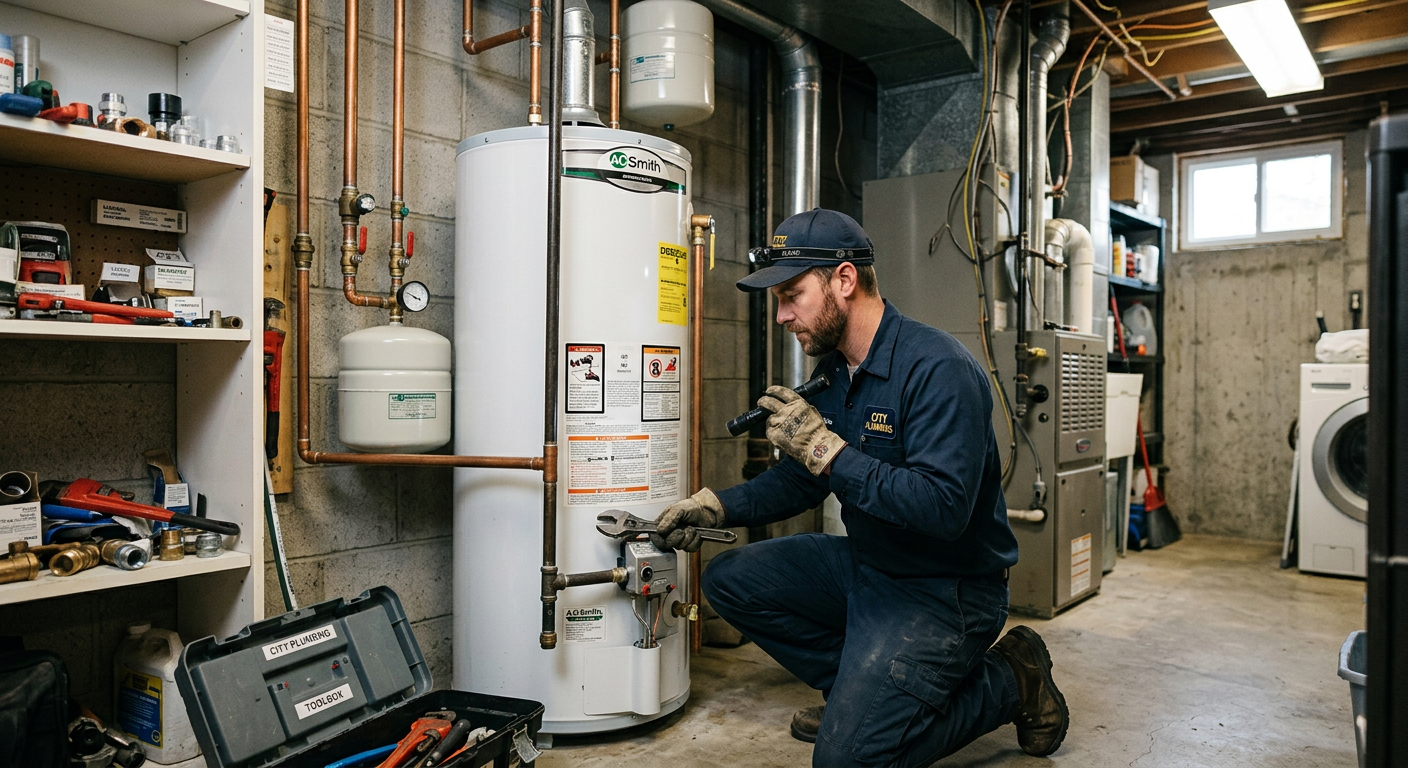
What You Can Safely Check Yourself
You do not need tools for the checks that matter most. Work through these in order, and stop if anything looks damaged, leaking, or unsafe.
- Run hot and cold separately, as above, at more than one faucet.
- Check the drain. Pour a glass, leave the room to smell it, and sniff the drain on its own.
- Run the hot water for a few minutes. If the smell fades quickly after sitting unused, that points again to buildup in the tank.
- Look at the temperature setting without changing anything you are unsure about, and note what it shows.
- Note the age of the heater from the label on the tank, and whether the anode rod has ever been checked or replaced.
How a Plumber Fixes Rotten Egg Hot Water
The right fix depends on what the test showed. For a tank heater with a hot-only smell, a professional will usually start by flushing and disinfecting the tank to clear bacteria and loose buildup. Our guide to how often you should flush your water heater in Tulsa explains why that regular flush matters for tank life.
Next, we check the anode rod. If it is badly worn, or if it is the type feeding the reaction, replacing it with an aluminum-zinc alloy rod often helps. The alloy rod does the same protective job while making the tank less friendly to the bacteria behind the smell.
In some cases a plumber may raise the temperature temporarily, under professional guidance, to help kill bacteria in the tank, then return it to a safe setting. That is not a do-it-yourself experiment. Water hot enough to help can also scald, and the setting needs to be handled carefully.
If you have a tankless unit, this problem is usually less common because there is no tank of warm water sitting for bacteria to grow in. Tankless heaters can still need descaling and cleaning, especially with mineral buildup. If a tankless system does smell, we check the unit and the wider supply rather than assuming an anode rod is to blame — most tankless models do not have one in the same way. Our Water Heater Services page covers tank and tankless work.

An Important Safety Distinction
Do not confuse a sulfur smell in water with a gas leak. Rotten egg smell that comes only from a running hot tap, with no smell in the room otherwise, is usually the water issue described above. A strong natural gas or rotten egg smell near gas lines, a furnace, or a stove — especially with dizziness, nausea, headache, or a hissing sound — is different and urgent.
In that case, leave the house, avoid switches and flames, and call your gas utility or emergency services from outside. Do not try to investigate a suspected gas leak yourself, and never open gas lines or electrical covers on a water heater as a homeowner. For water itself, hydrogen sulfide at the low levels behind most hot water smells is mainly a nuisance, but if the smell is in all your water, is getting stronger, or you are on well water, getting the water tested is a sensible next step.
When to Call a Pro Versus Trying It Yourself
Safe observation is good DIY: the hot-and-cold test, checking a drain, noting the age and setting, and running a tap after a trip. Leave the rest to a pro if the smell keeps coming back, the anode needs replacing, the tank needs disinfecting, the heater is older, or you smell anything near gas equipment. If you are weighing a replacement, read our honest guide to tankless water heaters in Tulsa.
Frequently Asked Questions
Is rotten egg hot water safe to drink or use?
For most homes, low-level hydrogen sulfide is a smell and taste nuisance rather than an emergency, and many people still shower and wash with it while arranging a fix. If you are unsure about your supply, are on well water, or anyone in the home feels unwell, stop drinking it until the water is tested and you get advice.
Will flushing alone fix it?
Sometimes, especially if the smell followed a period of sitting unused. If bacteria are established or the anode rod is driving the reaction, flushing alone may help only briefly, which is why a pro also checks the rod.
Why does the smell come back?
Because the conditions can return: warm water sitting in the tank, bacteria still present, and an anode rod that continues to feed the reaction. Replacing the rod with an alloy type and keeping up with flushing makes a repeat less likely.
Smelly Hot Water in Tulsa? We Can Help
Colossal Plumbing has served Tulsa since 2005, and we help homeowners in Bixby, Jenks, Sand Springs, Sapulpa, and Claremore with flushing, anode replacement, and repairs. Call (918) 553-0138, Mon–Sat 7 AM–7 PM, with 24/7 emergency service, or reach us through our contact page.
